
Prepared around risks.
Ready to respond.
We help project teams strengthen emergency preparedness through practical planning, clear responsibilities and response-ready procedures designed around real site conditions.
Preparedness starts with understanding the site.
Emergencies can develop quickly in construction, infrastructure, industrial and remote project environments. A clear preparedness approach helps teams understand potential risks, know their roles and respond in line with established site arrangements.
A clear plan. Defined roles. Coordinated response.
Emergency preparedness brings together risk awareness, communication procedures, access to relevant resources and workforce familiarity with site emergency arrangements. Support is shaped around the client's plans, project requirements and agreed scope of services.
From identifying risks to being ready to respond.
A structured process helps project teams prepare for foreseeable emergencies and coordinate actions when a response is required.
Identify Potential Emergencies
Review site activities, surrounding conditions and credible emergency scenarios such as fire, medical incidents, equipment events or environmental releases.
Assess Risks and Resources
Consider likely impacts, people who may be affected, available resources, access routes and the support arrangements required for the project environment.
Define Roles and Procedures
Clarify responsibilities, escalation routes, emergency contacts, communication channels and actions to follow under the applicable site emergency plan.
Prepare People and Equipment
Support workforce awareness of alarms, evacuation routes, assembly points, relevant emergency equipment and the arrangements applicable to their work areas.
Practise and Coordinate
Where included in the agreed scope, support briefings, drills or coordination activities that help teams understand procedures and identify practical gaps.
Review and Improve
Use observations, exercise feedback and lessons learned to support updates to procedures, role clarity and ongoing emergency readiness.
What supports an effective response.
Emergency arrangements should be practical, understood by the people who need to use them and aligned with the conditions of each site.
Risk Awareness
Recognise foreseeable emergency scenarios and understand the precautions and reporting arrangements relevant to the site.
Clear Procedures
Make emergency actions, escalation routes and responsibilities clear within the applicable project arrangements.
Reliable Communication
Support timely communication between workers, supervisors, site representatives and relevant emergency contacts.
Workforce Readiness
Help people understand alarms, evacuation arrangements, assembly points and the actions expected of them.
Response Coordination
Consider how site teams coordinate with first aid, medical support and other designated response resources.
Continuous Improvement
Review drills, observations and changes in site conditions to keep preparedness arrangements relevant.
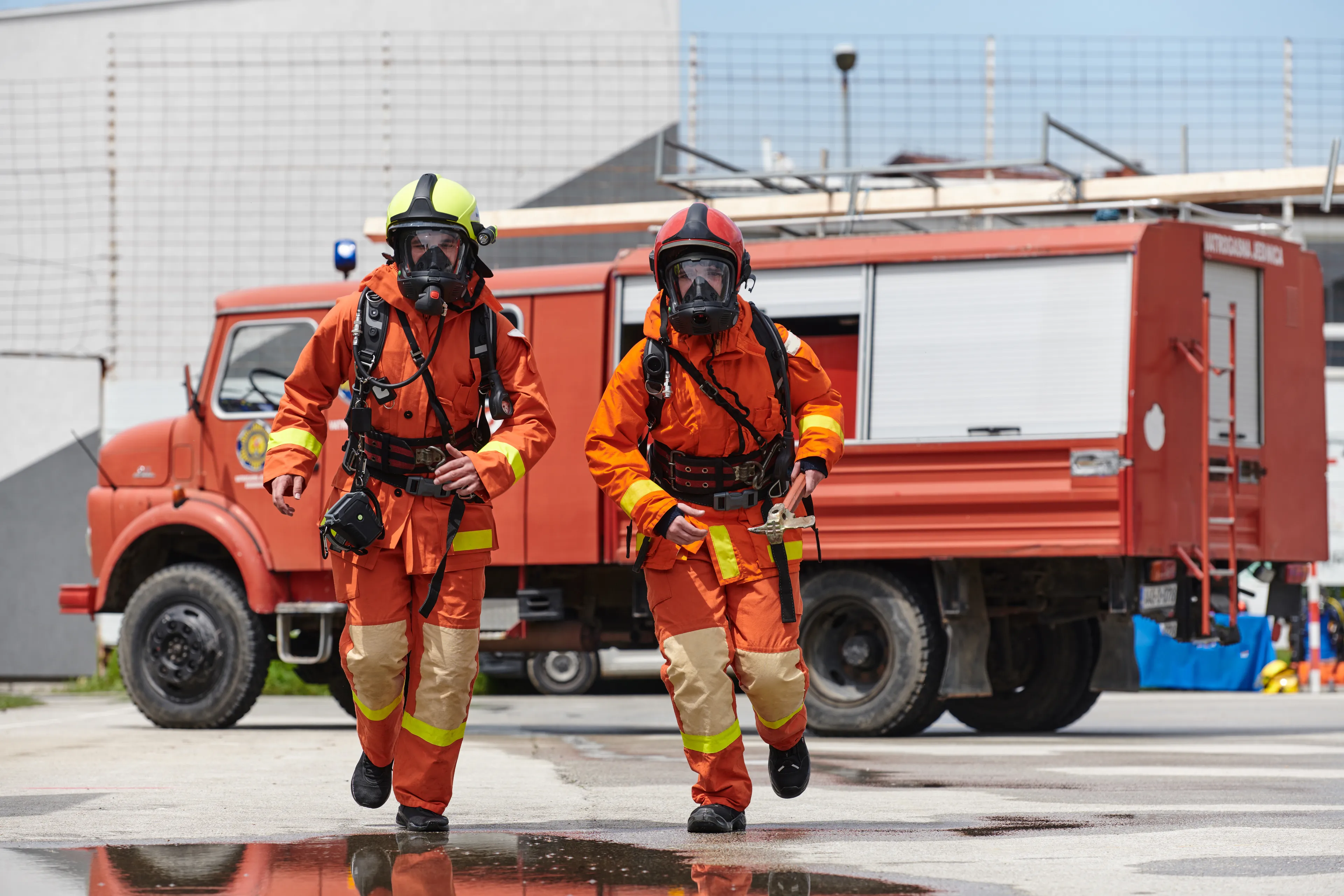
Make emergency arrangements part of everyday site awareness.
Preparedness is most useful when people know where to find instructions, how to raise an alarm and which procedures apply to their work area. Planning should reflect the site layout, work activities, available resources and client requirements.
- Identify and communicate emergency contacts and escalation routes.
- Keep evacuation routes and assembly arrangements understood.
- Clarify responsibilities for workers, supervisors and designated teams.
- Coordinate relevant first-aid, medical and emergency resources.
- Review preparedness when activities or site conditions change.
What emergency preparedness is designed to support.
Preparedness cannot remove every risk, but clear arrangements can help teams respond in a more coordinated and informed way.
Better Workforce Readiness
People are more likely to understand the relevant procedures, reporting routes and actions expected during an emergency.
PEOPLE PREPAREDClearer Coordination
Defined responsibilities and communication arrangements can help project teams coordinate their response activities.
ROLES AND PROCEDURESStronger Site Readiness
Reviewing plans, resources and lessons learned supports ongoing attention to emergency preparedness.
READY TO RESPONDLet’s strengthen your emergency preparedness.
Tell us about your project, site conditions and emergency preparedness requirements. Our team can discuss the support scope and next steps with you.
Discuss Your Requirements